- 분류 전체보기 (29202)

- 세계의 유명 여행지 (946)
- 해외여행지(가본곳,가볼곳) (784)
- 울산광역시 (857)
- 여행자료종합 (454)
- 천년고도 경주 (226)
- 경상도(경남북,부산,대구) (223)
- 서울,경기도,강원도 (130)
- 충청도(충남,북,대전) (52)
- 전남,북,제주도 (119)
- 백령도,울등도,섬여행 (84)
- 산행자료 및 정보 (321)
- 산행지도(울산근교) (109)
- 중국 (884)
- 아시아,중동,오세아니아,태평양 (1170)
- 미국,북아메리카 (1082)
- 중,남 아메리카 (383)
- 유럽,중앙아시아(구쏘련권)러시아 (1710)
- 아프리카,인도양,대서양 (303)
- 나의 이야기 (16)
- 내고향(구미시) (34)
- 가족이야기 (19)
- 효우회 (3)
- 좋은글,이야기 천국 (3)
- 세상만사(국내외 토픽) (6873)
- 좋은글.감동채널 (516)
- 퇴계선생의 가르침 (68)
- 잡학사전 (4454)
- 건강관리 (762)
- 맛집,음식 이야기 (194)
- 유모어.음악 (762)
- 동 식물 (2403)
- 동영상.접사.예술작품.기타 (2940)
- 사진작품연습 (8)
- 사진촬영기술 (296)
- 방명록 (2)
| 일 | 월 | 화 | 수 | 목 | 금 | 토 |
|---|---|---|---|---|---|---|
| 1 | 2 | |||||
| 3 | 4 | 5 | 6 | 7 | 8 | 9 |
| 10 | 11 | 12 | 13 | 14 | 15 | 16 |
| 17 | 18 | 19 | 20 | 21 | 22 | 23 |
| 24 | 25 | 26 | 27 | 28 | 29 | 30 |
| 31 |
- 태화강 해오라기.
- 태화강 국가정원의 여름풍경
- 명촌 억새숲
- 오블완
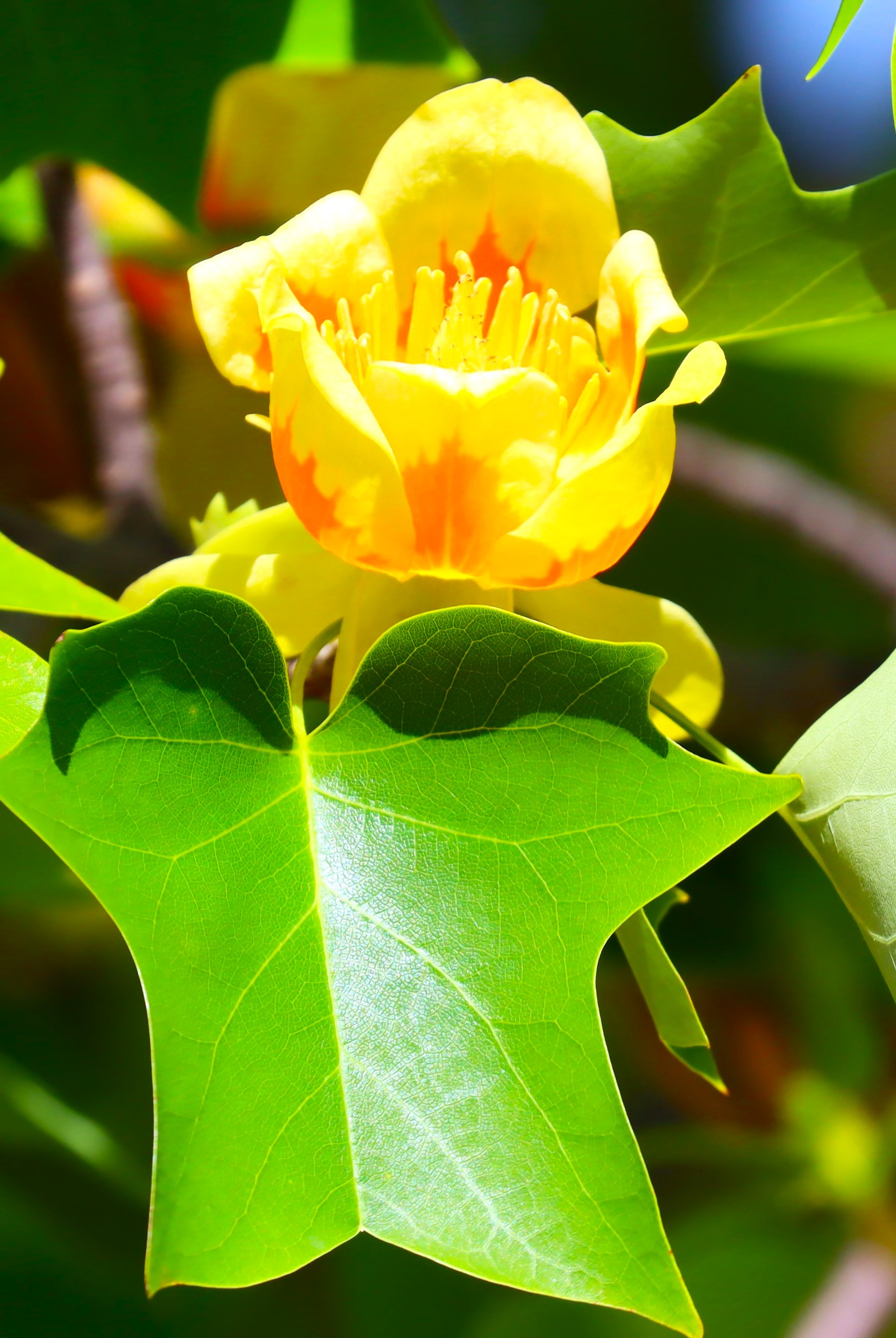
- 튜립나무꽃
- 태화강 국가정원
- 태화강
- 일생동안 한 번은 꼭 가봐야 할 유명한 여행명소 20
- 태화강국가정원의가을
- 태화강의 여름풍경
- 태화강 국가정원 국화원
- 태화강 억새숲 국가정원 코스모스꽃
- 울산 태화강 국가정원의 가을풍경
- 문주란 꽃
- 문수 체육공원
- 태화강국가정원의 억새숲
- 흰날개 해오라기.
- 태화강국가정원 봄꽃축제
- 티스토리챌린지
- 태화강의 여름 풍경.
- 태화강 숭어떼
- 태화강 국가정원의 가을
- 태화강 누치떼
- 태화강의 여름조류.
- 울산의 가을
- 왜가리떼
- 태화강국가정원
- 태화강의 백로떼
- 태화강국가정원의 가을.
- 태화강 수달
- Today
- Total
바람따라 구름따라
세계의 유명 랜드마크 본문
세계의 유명 랜드마크
Above the Kremlin at the heart of Moscow, Russia. Taj Mahal as the day's first tourists trickle through the gates. Barcelona, Spain. Paris’ Sacre?-Cœur, glowing in a hazy sunrise. The Vittoria Light in Italy, overlooking the Gulf of Trieste at sunset. Hotel Ukraina, lit up at dusk. The Church on Spilt Blood on an autumn morning. The church marks the spot where the reformist Tsar Alexander II was assassinated by a bomb-rolling revolutionary. The spiky skyline of Istanbul as a freighter sails for the Sea of Marmara. Known to the locals as "Hill 3," this knoll jutting above Mumbai's northern slums is no more valuable than the land below. Access to running water, which the hill lacks,is far more valuable than any view.> The Lotus Temple, dotted with pigeons at sunrise. Designed by an Iranian exile, the building serves as the center of the Bahai'i faith in New Delhi, India. A knot of fishing boats at the entrance to Sassoon Dock in Mumbai, India. The angel atop the Alexander column in Saint Petersburg, Russia. Built after Russia’s victory over Napoleon,the column's 600-ton granite trunk was tipped into place by 2,000 soldiers. It balances without any attachment to its base. The Mtkvari River winding through Tbilisi,Georgia's elegant capital. Worker and Kolkhoz Woman striding into the future that was. Built for the Soviet pavilion at the 1937 World's Fair in Paris,the steel masterwork now stands in the suburbs of northern Moscow. The Cathedral of Christ the Saviour at sunrise. The Katskhi Pillar in Georgia,where a hermit has lived for the past twenty years to be "closer to god." The Peter and Paul Cathedral in Peterhof, in Saint Petersburg, Russia,with the palace and gardens in the background. Beyond, the Finnish Gulf is obscured by fog. During WWII,Nazi armies occupied Peterhof,destroying it almost completely during their retreat. The star fort at Bourtange, Netherlands. Three centuries after the last cannonball was fired in anger at the fort,it now serves as a museum and the center of a sleepy farming village in eastern Holland. The low, thick walls were designed to offset the pounding force of cannon fire. Clouds swirl through the pillars of Sagrat Cor Church,high on a hill above Barcelona, Spain. Twenty minutes later a thunderstorm hit the city. A ruined college in Gali, Abkhazia, near the "border" with Georgia,where ethnic Georgians made up 96% of the region’s pre-war population. Most fled, or were driven out of their homes after the war. Today Gali is a twilight zone of empty buildings and overgrown farmland. |


 The windswept Liberty Statue, overlooking Budapest.
The Palace at Petergof, perched on a bluff overlooking the sea some 19 miles from central Saint Petersburg. Jama Masjid, the heart of Islam in India. The red sandstone structure was built under the orders of the same Mughal emperor of Taj Mahal fame. Visitors walk on fallen leaves in the Summer Garden,central Saint Petersburg’s oldest Park. Buda castle on August 20. The barge in the center of the Danube is loaded with fireworks, launched later that night to celebrate Hungary’s national day. The Hermitage Pavilion near Saint Petersburg, Russia, wreathed in dawn mist. The little “whipped cream” pavilion was an example of the decadence which would eventually topple the Tsarist autocracy. It was famous for parties where tables laden with food would rise from beneath the floorboards into groups of delighted guests. |


'잡학사전' 카테고리의 다른 글
| 세계에서 가장 비싼 자가용 비행기 타는 사람들 (0) | 2017.02.24 |
|---|---|
| 백두신 동영상(1~4부) (0) | 2017.02.24 |
| [스크랩] 작은 섬 위에 지어진 꿈의 주택...브라질 `AB House` (0) | 2017.02.23 |
| [스크랩] 39광년 떨어진 또 다른 태양계 발견 (0) | 2017.02.23 |
| 유명스타 3인의 연필 초상화 (0) | 2017.02.22 |