- 분류 전체보기 (29203)

- 세계의 유명 여행지 (946)
- 해외여행지(가본곳,가볼곳) (784)
- 울산광역시 (857)
- 여행자료종합 (454)
- 천년고도 경주 (226)
- 경상도(경남북,부산,대구) (223)
- 서울,경기도,강원도 (130)
- 충청도(충남,북,대전) (52)
- 전남,북,제주도 (119)
- 백령도,울등도,섬여행 (84)
- 산행자료 및 정보 (321)
- 산행지도(울산근교) (109)
- 중국 (884)
- 아시아,중동,오세아니아,태평양 (1170)
- 미국,북아메리카 (1082)
- 중,남 아메리카 (383)
- 유럽,중앙아시아(구쏘련권)러시아 (1710)
- 아프리카,인도양,대서양 (303)
- 나의 이야기 (16)
- 내고향(구미시) (34)
- 가족이야기 (19)
- 효우회 (3)
- 좋은글,이야기 천국 (3)
- 세상만사(국내외 토픽) (6873)
- 좋은글.감동채널 (516)
- 퇴계선생의 가르침 (68)
- 잡학사전 (4455)
- 건강관리 (762)
- 맛집,음식 이야기 (194)
- 유모어.음악 (762)
- 동 식물 (2403)
- 동영상.접사.예술작품.기타 (2940)
- 사진작품연습 (8)
- 사진촬영기술 (296)
- 방명록 (2)
| 일 | 월 | 화 | 수 | 목 | 금 | 토 |
|---|---|---|---|---|---|---|
| 1 | 2 | |||||
| 3 | 4 | 5 | 6 | 7 | 8 | 9 |
| 10 | 11 | 12 | 13 | 14 | 15 | 16 |
| 17 | 18 | 19 | 20 | 21 | 22 | 23 |
| 24 | 25 | 26 | 27 | 28 | 29 | 30 |
| 31 |
- 태화강의 백로떼
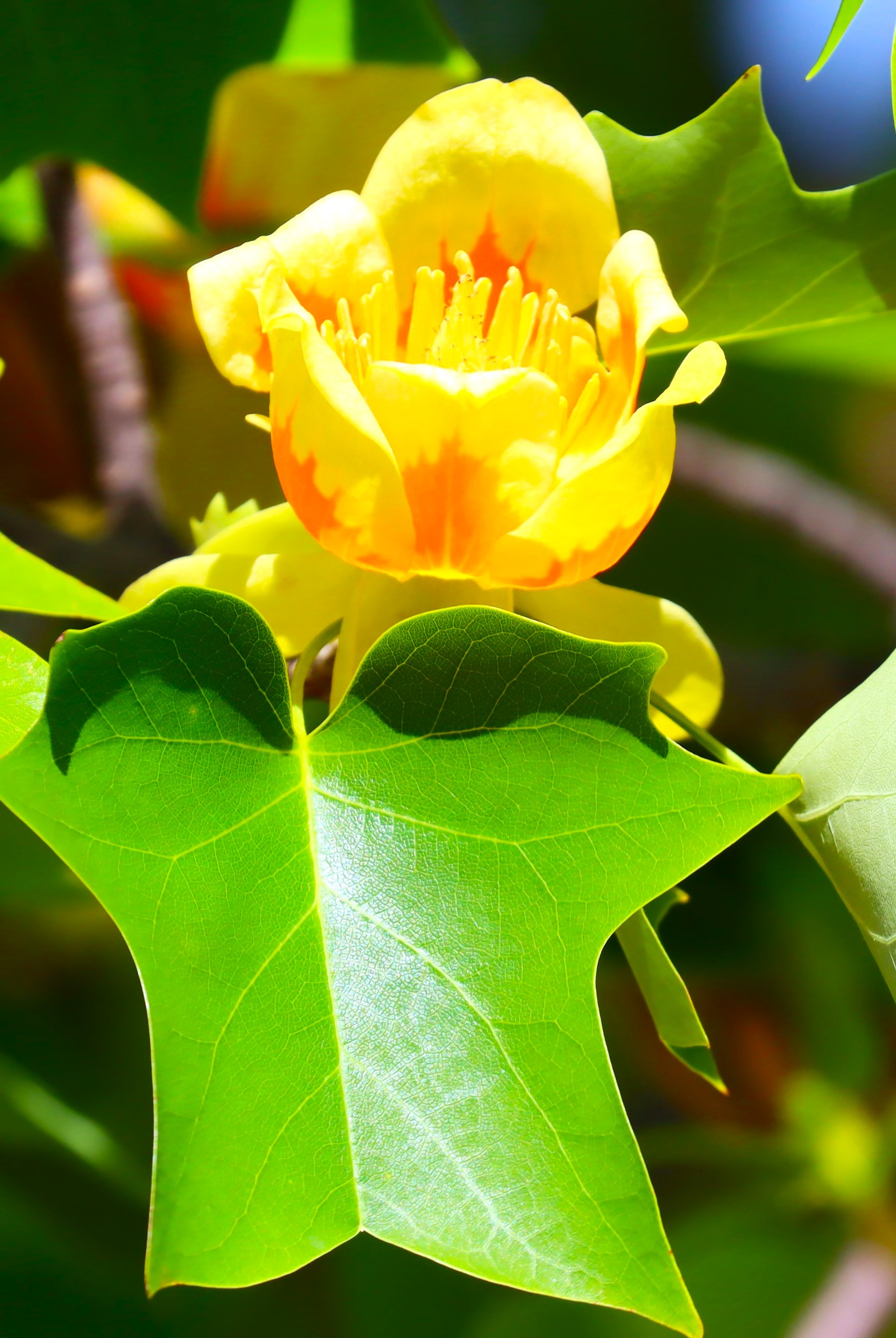
- 튜립나무꽃
- 울산 태화강 국가정원의 가을풍경
- 태화강국가정원의 가을.
- 태화강국가정원
- 울산의 가을
- 태화강 숭어떼
- 흰날개 해오라기.
- 태화강 누치떼
- 문수 체육공원
- 오블완
- 태화강의 여름 풍경.
- 태화강
- 티스토리챌린지
- 일생동안 한 번은 꼭 가봐야 할 유명한 여행명소 20
- 문주란 꽃
- 태화강 해오라기.
- 태화강의 여름조류.
- 태화강 국가정원 국화원
- 태화강 국가정원의 가을
- 태화강 억새숲 국가정원 코스모스꽃
- 태화강 국가정원의 여름풍경
- 태화강의 여름풍경
- 태화강국가정원의 억새숲
- 왜가리떼
- 명촌 억새숲
- 태화강 국가정원
- 태화강 수달
- 태화강국가정원 봄꽃축제
- 태화강국가정원의가을
- Today
- Total
바람따라 구름따라
드라마틱한 중국 Gansu성 풍경 본문
드라마틱한 중국 Gansu성 풍경
Gansu Province, in northwestern China, is about the same size as California, with a population of about 26 million people.
Most of its inhabitants are Han Chinese, with some ethnic Hui and Tibetans.
Gansu’s diverse landscapes include parts of the Gobi Desert, the Yellow River, numerous mountain formations, and remnants
of the Silk Road and the Great Wall of China.
The mostly arid lands range in elevation from about 3,000 feet above sea level to mountains more than 19,000 feet tall.
Gathered here are recent images from across China’s Gansu Province.

Landforms at Zhangye Danxia Landform Geological Park in Zhangye City, northwest China's Gansu Province, on July 7, 2014.
Danxia, which means “rosy cloud,” is a special landform formed from reddish sandstone that has been eroded over time
into a series of mountains surrounded by curvaceous cliffs and many unusual rock formations.

Tourists climb the Singing Sand dunes near the Crescent Moon Spring on July 20, 2010, in Jiuquan, Gansu Province, China.

Flowering rapeseed plants blossom in a field in Minle, Gansu, China, on July 14, 2015.

A Chinese rocket takes off with the Venezuelan earth observation satellite Miranda from the remote Gobi Desert in Jiuquan,
Gansu Province, on September 29, 2012.

The Maijishan Grottoes in the city of Tianshui, Gansu Province, on August 12, 2015.
The Maijishan Grottoes are a series of 194 caves cut in the side of the hill of Majishan in Tianshui.
This example of rock-cut architecture contains over 7,200 Buddhist sculptures and over 1,000 square meters of murals.
Construction began in the Later Qin era (384-417 CE).

Closer view of the Maijishan Grottoes in the city of Tianshui on August 12, 2015.
The tallest statue is 16 meters tall and the smallest is only 10 centimeters tall.

A train speeds through a gap in a section of the Great Wall of China, past Jiayuguan Pass, in front of the snow-covered
Qilian Mountains in Jiayuguan, Gansu Province, on April 28, 2007.

Gansu’s Zhagana Stone Mountains, photographed on September 14, 2014.

Autumn scenery on Dongshan Mountain in Dingxi City, Gansu Province, on October 7, 2015.

Monks gather to pray at the Labrang Monastery prior to Tibetan New Year in Xiahe County, Gansu Province, on February 21, 2012.

Yardang landforms in Dunhuang Yardang National Geopark in Dunhuang, Gansu Province, on May 24, 2015.

Night view of a Danxia landform under the starry sky in Sunan County, Zhangye City, on November 26, 2013.

Chinese workers harvest dried salt in Yanchi Village, Gaotai County, Gansu Province, on August 24, 2015.

A solar eclipse, seen above visitors at the Jiayuguan Fort on the Great Wall of China in the town of Jiayuguan, Gansu Province,
on August 1, 2008.

A farmer walks past a terrace of codonopsis pilosula, a traditional Chinese medicine also known as dang shen, in Min County,
Gansu Province, on May 31, 2011.
Rows of white plastic shields have been installed to protect the roots of the dang shen to keep it warm and moist.
Commonly used as a cheaper substitute for ginseng, the herb is believed to lower blood pressure, boost the immune system,
and improve appetite.

Motorboats moored at the Liujiaxia Reservoir, on the Yellow River, near the Bingling Si caves, in November of 2006.

Yueyaquan, or Crescent Lake, in Dunhuang, Gansu Province, on May 12, 2013.
Formerly a silk route hub and center for trade between China and the West, Dunhuang relies heavily on tourism and features
a number of historic sites dating back to the Han Dynasty.
The city has an arid climate and is surrounded by sand dunes, a result of increasing desertification.

Visitors walk on the Mingsha sand dunes on the outskirts of Dunhuang, Gansu Province, on April 29, 2007.
According to local sources, the Mingsha sand dunes stretch more than 40 kilometers (25 miles) long and 20 kilometers (12.4 miles) wide,
reaching heights of 1,715 meters (5,630 feet).

A worker inspects solar panels at a solar farm in Dunhuang, Gansu Province, on September 16, 2013.
China is pumping investment into wind power, which is more cost-competitive than solar energy and partly able to compete
with coal and gas.

The Danxia landform in the Zhangye Danxia National Geological Park in Zhangye, Gansu Province, on October 19, 2015.

A crumbling section of the Great Wall of China is seen near the rebuilt Jiayuguan fort, at rear, in China's Gansu province
on October 11, 2005.
Though parts of the Great Wall have been fully restored, much of it is in disrepair, with many areas crumbling or even buried under sand.

Visitors walk outside the Jiayuguan Pass Town in Jiayuguan, on April 28, 2007

Rock formations in the Zhangye Danxia Landform Geological Park in Gansu Province, on January 19, 2013

A sandstorm hits the Shandan Horse Ranch in Zhangye, Gansu Province, on March 5, 2013.
According to eyewitnesses, large amounts of black dust and sand were pushed by strong winds,
resembling a wall rolling across the horse farm from the west.

A herder drives her sheep through a gate of the Yongtai Ancient City in Jingtai County, Gansu Province, on June 20, 2015.

Terraced fields in Dingxi, Gansu Province, on July 4, 2014.

Ethnic Tibetan women pray around the Labrang Monastery ahead of the Tibetan New Year in Xiahe County, Gansu Province,
on February 21, 2012.

Tibetan monks at the Labrang monastery in Xiahe, Gansu Province, on February 22, 2009.

An aerial view shows people traveling along a road inside the Danxia National Geological Park, in Zhangye, Gansu Province, China,
on July 5, 2015.
The national geological park, covering an area of 510 square kilometers (197 square miles), is known for its colorful rock formations.
'중국' 카테고리의 다른 글
| 아름다운 중국의 풍경12 (0) | 2018.09.18 |
|---|---|
| 폭포도시-Furong Zhen in Hunan province,China’s (0) | 2018.09.13 |
| 중국의 항공사진 (0) | 2018.09.07 |
| 티벳트인의 성스러운 산-카일라스 산(Mount Kailas) (0) | 2018.09.07 |
| Huangshan 흑백사진 (0) | 2018.09.07 |


