- 분류 전체보기 (29200)

- 세계의 유명 여행지 (946)
- 해외여행지(가본곳,가볼곳) (784)
- 울산광역시 (857)
- 여행자료종합 (454)
- 천년고도 경주 (226)
- 경상도(경남북,부산,대구) (223)
- 서울,경기도,강원도 (130)
- 충청도(충남,북,대전) (52)
- 전남,북,제주도 (119)
- 백령도,울등도,섬여행 (84)
- 산행자료 및 정보 (321)
- 산행지도(울산근교) (109)
- 중국 (884)
- 아시아,중동,오세아니아,태평양 (1170)
- 미국,북아메리카 (1082)
- 중,남 아메리카 (383)
- 유럽,중앙아시아(구쏘련권)러시아 (1710)
- 아프리카,인도양,대서양 (303)
- 나의 이야기 (16)
- 내고향(구미시) (34)
- 가족이야기 (19)
- 효우회 (3)
- 좋은글,이야기 천국 (3)
- 세상만사(국내외 토픽) (6872)
- 좋은글.감동채널 (516)
- 퇴계선생의 가르침 (68)
- 잡학사전 (4453)
- 건강관리 (762)
- 맛집,음식 이야기 (194)
- 유모어.음악 (762)
- 동 식물 (2403)
- 동영상.접사.예술작품.기타 (2940)
- 사진작품연습 (8)
- 사진촬영기술 (296)
- 방명록 (2)
| 일 | 월 | 화 | 수 | 목 | 금 | 토 |
|---|---|---|---|---|---|---|
| 1 | 2 | |||||
| 3 | 4 | 5 | 6 | 7 | 8 | 9 |
| 10 | 11 | 12 | 13 | 14 | 15 | 16 |
| 17 | 18 | 19 | 20 | 21 | 22 | 23 |
| 24 | 25 | 26 | 27 | 28 | 29 | 30 |
| 31 |
- 태화강 억새숲 국가정원 코스모스꽃
- 태화강의 여름조류.
- 태화강 수달
- 태화강의 여름풍경
- 태화강국가정원의가을
- 태화강의 여름 풍경.
- 태화강 국가정원의 가을
- 태화강 국가정원
- 태화강국가정원의 가을.
- 울산의 가을
- 태화강
- 태화강국가정원
- 태화강 누치떼
- 티스토리챌린지
- 태화강국가정원 봄꽃축제
- 문주란 꽃
- 흰날개 해오라기.
- 명촌 억새숲
- 태화강 국가정원의 여름풍경
- 왜가리떼
- 오블완
- 문수 체육공원
- 태화강 해오라기.
- 태화강 국가정원 국화원
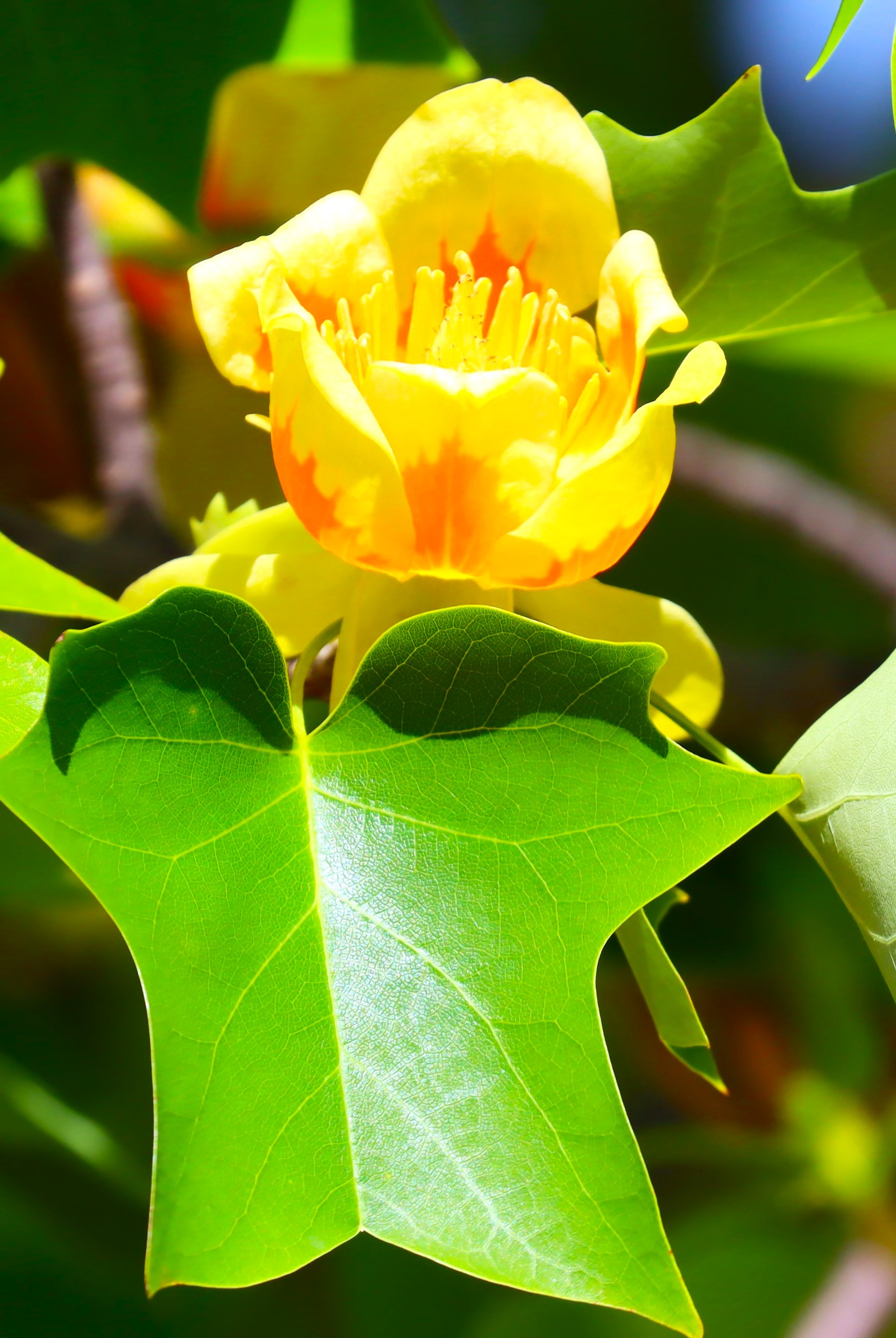
- 튜립나무꽃
- 태화강의 백로떼
- 일생동안 한 번은 꼭 가봐야 할 유명한 여행명소 20
- 태화강 숭어떼
- 태화강국가정원의 억새숲
- 울산 태화강 국가정원의 가을풍경
- Today
- Total
바람따라 구름따라
불가사의한 지구촌 10 본문

1. It seems that the fire in the crater of Darwaza, never turns off.
This hole is called "the gates of hell, its diameter is 59 metres and depth is 19.
The crater is located in Turkmenistan, in the Kara Kum desert.
This is a real giant oven in which natural gas Burns for more than 40 years after Soviet geologists in the failed due to the drilling of the well and left
a hole filled with gas, decided to burn, so that he did not go out and not poisoned residents.
Geologists think that the fire will go out soon, but very wrong.

2. "Blue Grotto" on the Italian island of Capri is the grotto, which was formed by the leaching of limestone cliffs.
Penetrating natural light there highlights its various shades of blue. This Grotto was known under the name of Gradola.
It found the German Augusta Kopisch. This is probably the most popular attraction among tourists on Capri.

3. Known as "the great blue hole in Belize coral reef is one of the largest in the world.
Its ecosystem is so complicated that researchers were able to examine only a tenth part of the living species of flora and fauna.
This place is especially popular among divers.

4. unusual canyons carved in sandstone and calcareous rocks quickly flowing water, can be seen in the States of Utah and Arizona in the United States.
Some of them are only one meter wide, but about 30 meters deep.
It is considered the most beautiful Antelope Canyon, probably due to such unusual bright colors.
It is located on the reservation of the Navajo Indian tribe.

5. Mount Roraima (2810 meters above sea level) is located on the border of Venezuela, Guyana and Brazil in Canaima National Park.
Climb on this amazing mountain can be only a guide, and the path to the top will take at least 5 days.
Mount Roraima is considered one of the oldest geological formations on Earth.

6. Kalb ar-Riszat is reminiscent of the crater geological structure in the Sahara.
It is located about 25 km northeast of the city of Vadan in Mauritania.
Yet it is referred to as the "eye of the Sahara". Diameter of 45 kilometers, "eye" perfectly visible from space.
So to the end nobody knows how this structure is formed. At first it was thought that this meteorite crater, and now that it's not fully formed volcano.

7. complex of caves of JEITA Grotto (Jeita) in the Valley of the Dogs is the largest of the renowned rock caves in Lebanon.
Underground structures that rely on limestone pillars located near Beirut.
In these caves is one of the biggest stalactites on Earth — more than 8 metres in height.

7. complex of caves of JEITA Grotto (Jeita) in the Valley of the Dogs is the largest of the renowned rock caves in Lebanon.
Underground structures that rely on limestone pillars located near Beirut. In these caves is one of the biggest stalactites on Earth
— more than 8 metres in height

8. is the Ngorongoro caldera of an extinct volcano, which is located in the northern part of Tanzania.
This crater is surrounded by three lakes: Lake Eyasi, Manyara, Natron.
Wetlands and Lake Magadi in the center of the crater is fed by the water of the river Lonyokie and Mung.
It is the ideal habitat for many species of African animals.
To the bottom of the crater leads long, 3.2-kilometer road which is not repaired from 1959 onwards. The crater is part of the Ngorongoro nature reserve.

9. Valle de la Luna, or Valley of the Moon is the Argentine National Park and the place where were found the oldest remains of dinosaurs that lived
on this planet for about 230 million years ago.
Valle de la Luna is a UNESCO World Heritage site. Its such an unusual form of rock that seem to pierce the sky, are obliged to vysekšim their winds.
This Park can be visited only in the presence of guards.

10. This amazing "Stone Forest" is located 120 km South-East from the city of Kunming in China.
In the Ming dynasty, these high Rocky spires called "the first wonder of the world".
He is currently listed as a UNESCO World Heritage site.
Unusual forms towering cliffs, like growing trees or animals are the result of erosion that lasted millions of years.
'잡학사전' 카테고리의 다른 글
| 세계의 별별건축(1) (0) | 2016.02.03 |
|---|---|
| 1953년 우리나라 생활모습 (0) | 2016.02.03 |
| [스크랩] "북한, 세계에서 가장 부패...한국은 37위" (0) | 2016.02.02 |
| 윈도우 10의 새로운 기능과 사용법 (0) | 2016.02.02 |
| 25년전엔 없었던 신흥국가 10 (0) | 2016.02.01 |