- 분류 전체보기 (28955)

- 세계의 유명 여행지 (944)
- 해외여행지(가본곳,가볼곳) (783)
- 울산광역시 (856)
- 여행자료종합 (452)
- 천년고도 경주 (226)
- 경상도(경남북,부산,대구) (223)
- 서울,경기도,강원도 (130)
- 충청도(충남,북,대전) (52)
- 전남,북,제주도 (119)
- 백령도,울등도,섬여행 (84)
- 산행자료 및 정보 (321)
- 산행지도(울산근교) (109)
- 중국 (876)
- 아시아,중동,오세아니아,태평양 (1170)
- 미국,북아메리카 (1082)
- 중,남 아메리카 (383)
- 유럽,중앙아시아(구쏘련권)러시아 (1706)
- 아프리카,인도양,대서양 (303)
- 나의 이야기 (16)
- 내고향(구미시) (34)
- 가족이야기 (19)
- 효우회 (3)
- 좋은글,이야기 천국 (3)
- 세상만사(국내외 토픽) (6781)
- 좋은글.감동채널 (516)
- 퇴계선생의 가르침 (67)
- 잡학사전 (4372)
- 건강관리 (757)
- 맛집,음식 이야기 (191)
- 유모어.음악 (761)
- 동 식물 (2379)
- 동영상.접사.예술작품.기타 (2919)
- 사진작품연습 (8)
- 사진촬영기술 (296)
- 방명록 (2)
| 일 | 월 | 화 | 수 | 목 | 금 | 토 |
|---|---|---|---|---|---|---|
| 1 | 2 | 3 | 4 | 5 | 6 | 7 |
| 8 | 9 | 10 | 11 | 12 | 13 | 14 |
| 15 | 16 | 17 | 18 | 19 | 20 | 21 |
| 22 | 23 | 24 | 25 | 26 | 27 | 28 |
- 태화강국가정원의 억새숲
- 태화강국가정원의 가을.
- 태화강 해오라기.
- 흰날개 해오라기.
- 문주란 꽃
- 태화강의 여름 풍경.
- 문수 체육공원
- 태화강 누치떼
- 태화강 숭어떼
- 태화강 수달
- 태화강 국가정원
- 튜립나무꽃
- 태화강국가정원의가을
- 티스토리챌린지
- 태화강 국가정원의 가을
- 태화강 국가정원의 여름풍경
- 태화강
- 태화강 억새숲 국가정원 코스모스꽃
- 울산 태화강 국가정원의 가을풍경
- 태화강국가정원 봄꽃축제
- 울산의 가을
- 태화강의 여름풍경
- 일생동안 한 번은 꼭 가봐야 할 유명한 여행명소 20
- 태화강 국가정원 국화원
- 명촌 억새숲
- 태화강의 백로떼
- 오블완
- 태화강의 여름조류.
- 왜가리떼
- 태화강국가정원
- Today
- Total
바람따라 구름따라
불가사의하고 경이롭고 인상적인 세계의 건축 26 본문
불가사의하고 경이롭고 인상적인 세계의 건축 26

Towering above a wooded hill above Granada, this Moors palace in Spain attracts more than five thousand visitors every day.
No words, however, can convey the feeling of the best-preserved palace of the Nasrid dynasty.
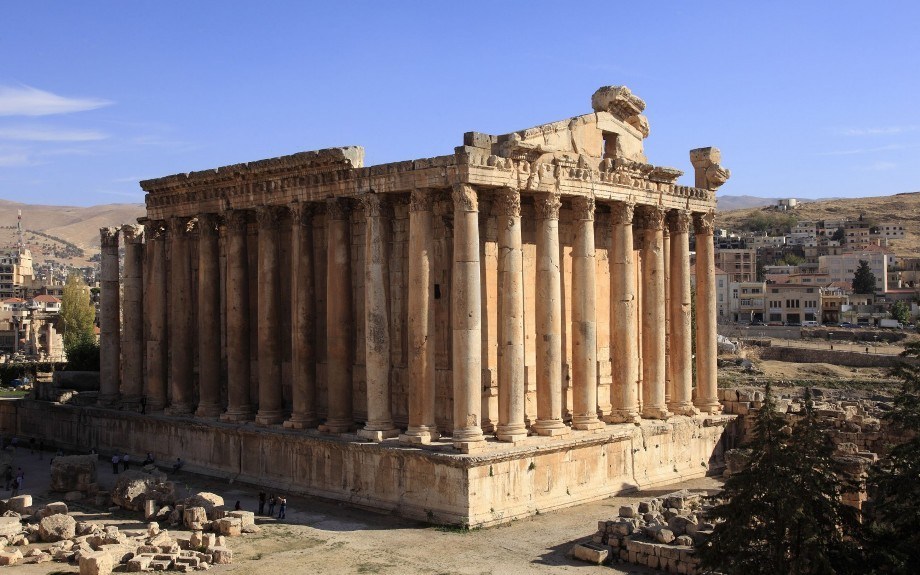
The Greeks and Romans called it Heliopolis, “City of the Sun”, but this phenomenal city has no equal.
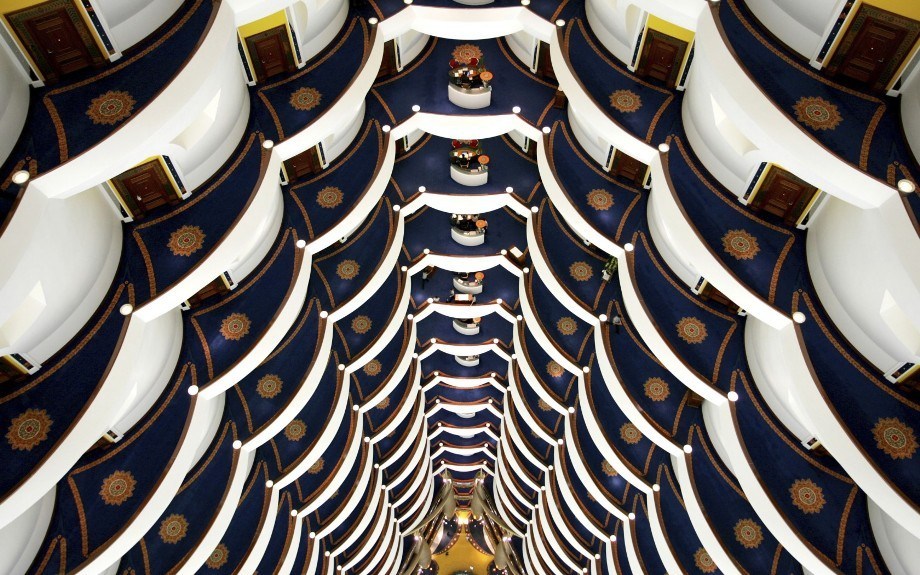
Dubai is a desert turned into Disneyland.
Once a sleepy fishing village - now a futuristic cyber megapolis, with sparkling skyscrapers, shopping centers, water parks, golf courses.
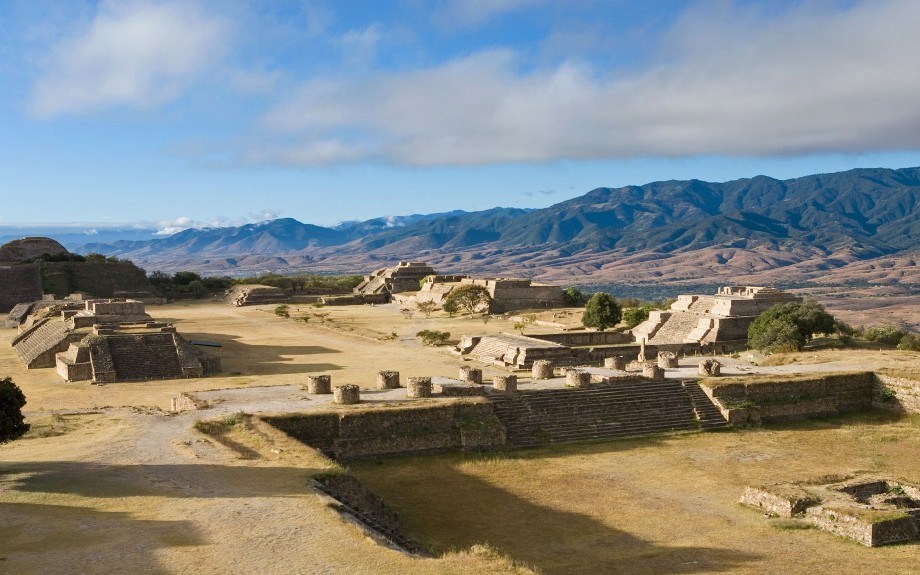
The magical, mystical Monte Alban is first and foremost a statement of power.
Zapotecs built their cities far from the valleys and without any supply of natural water to emphasize the dominance of their people
even over nature itself.
What remains today is simply the very center of the political and religious center.
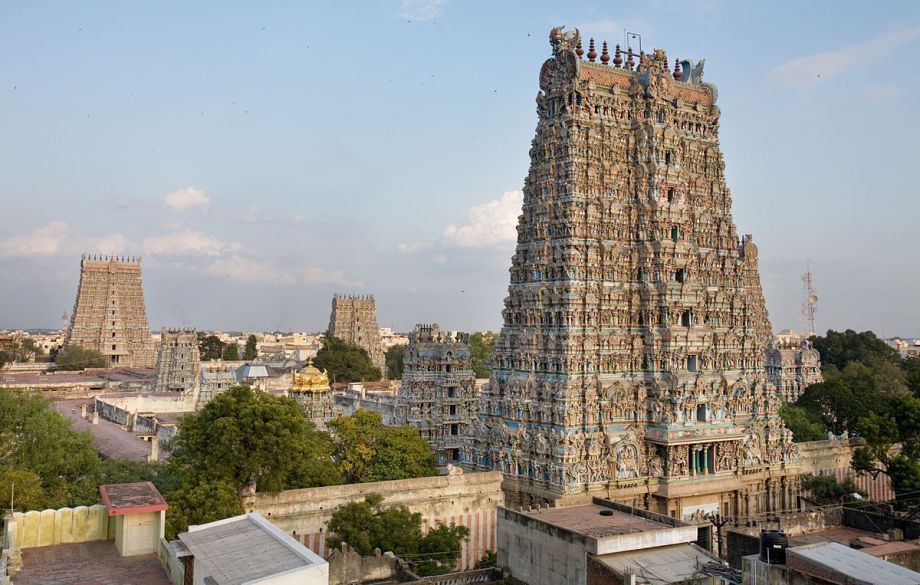
The great temples of the Chola Dynasty are superior to most major cities in Tamil Nadu.
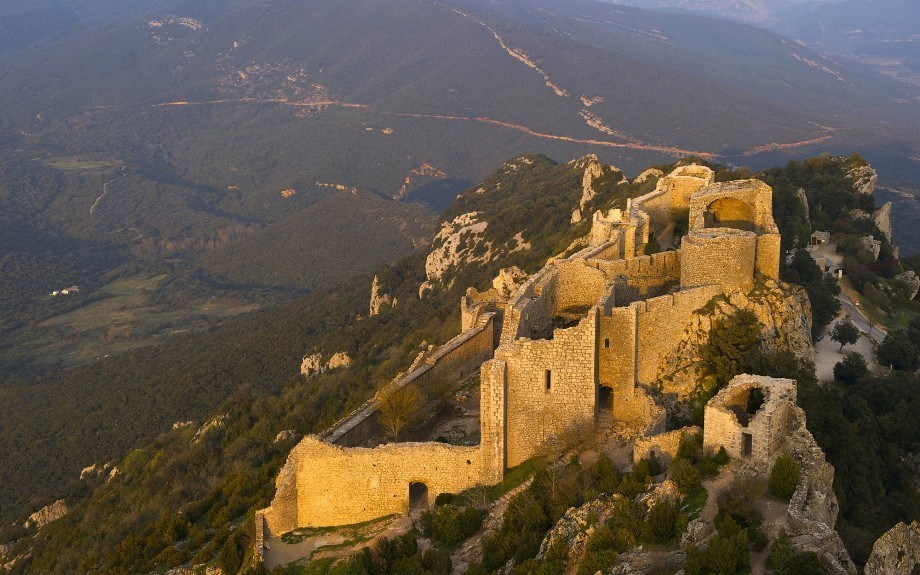
It's hard to forget the first time you catch a glimpse of Frances Chateau de Peyperpertuz.
It will take some time before you realize that this is really a castle, and not just some fantastic rocks that stretch from the top of
the mountain.
But this is not a Mirage - 800 years ago, people really drove stone slabs here to build one of the most beautiful fortresses in Europe.
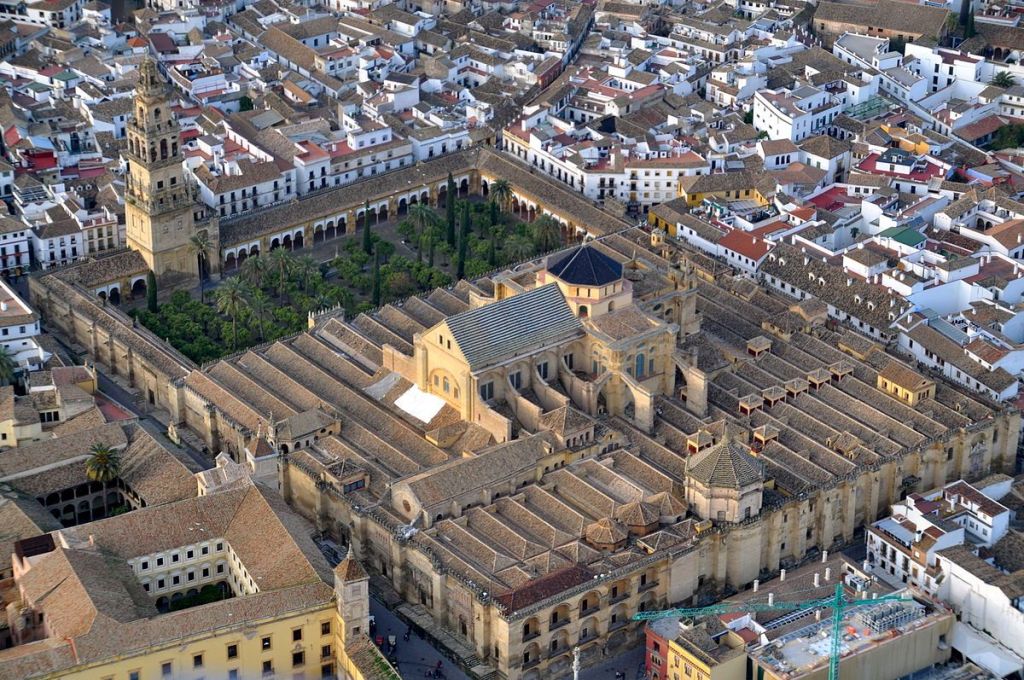
There was a time when La Mesquita, or the Great Mosque, was used for its intended purpose (1236), but time has passed and now tourists are walking here.
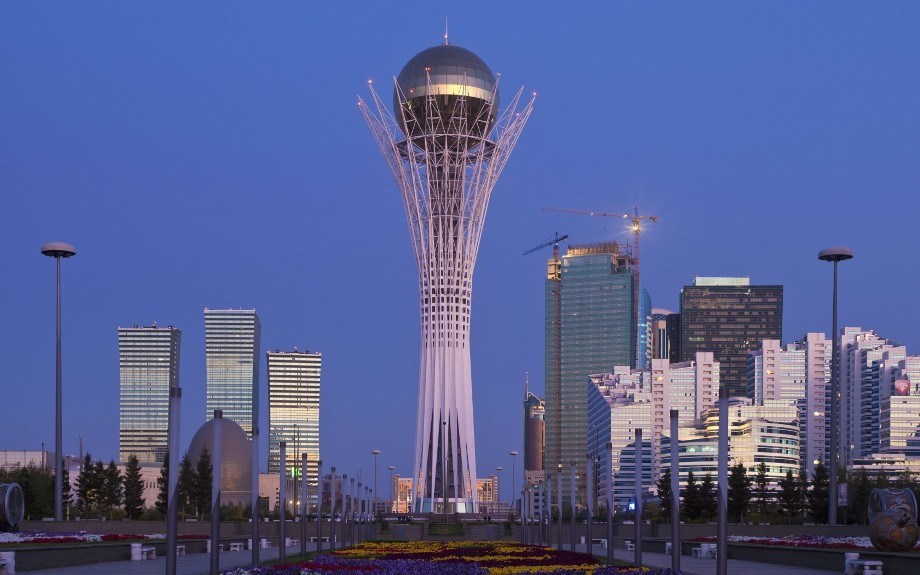
The city of Astana is a project of President Nursultan Nazarbayev, who has been leading Kazakhstan since the fall of the Soviet Union. The gilt print of his hand lies on the top of Bayterek, the space tower depicting poplar, on which, according to legend, the magic bird Samuruk laid its egg.
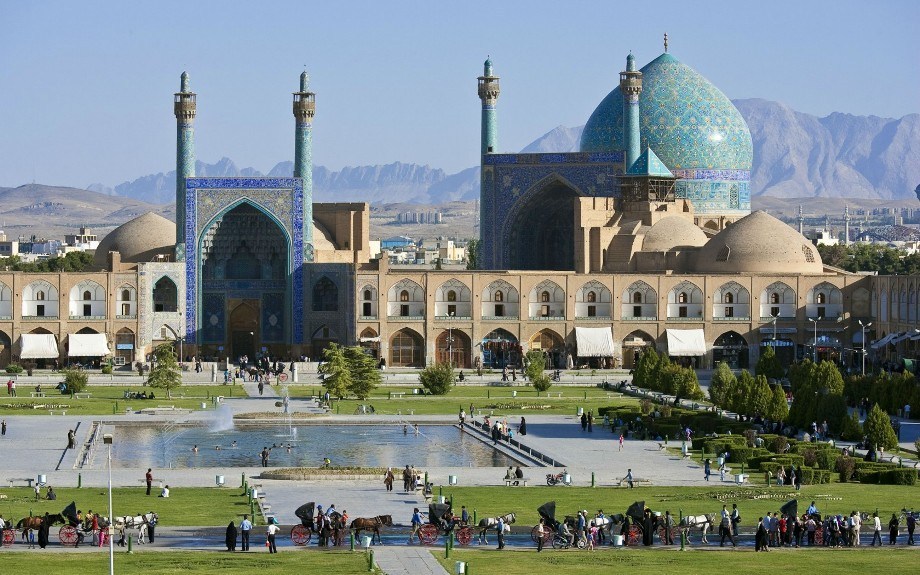
If you visit all the mosques in Iran, then you should visit the I Imam mosque last, as its beauty overshadows all the others.
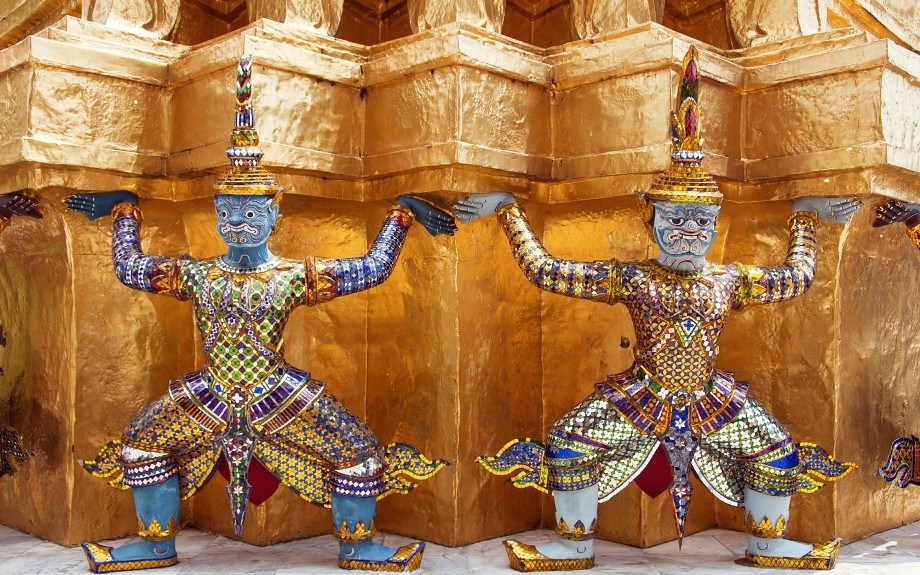
As befits a former royal residence, the Great Palace of Wat Phra Kaew dazzles with its shimmering walls and pediments, covered with gilding and colored glass mosaics.
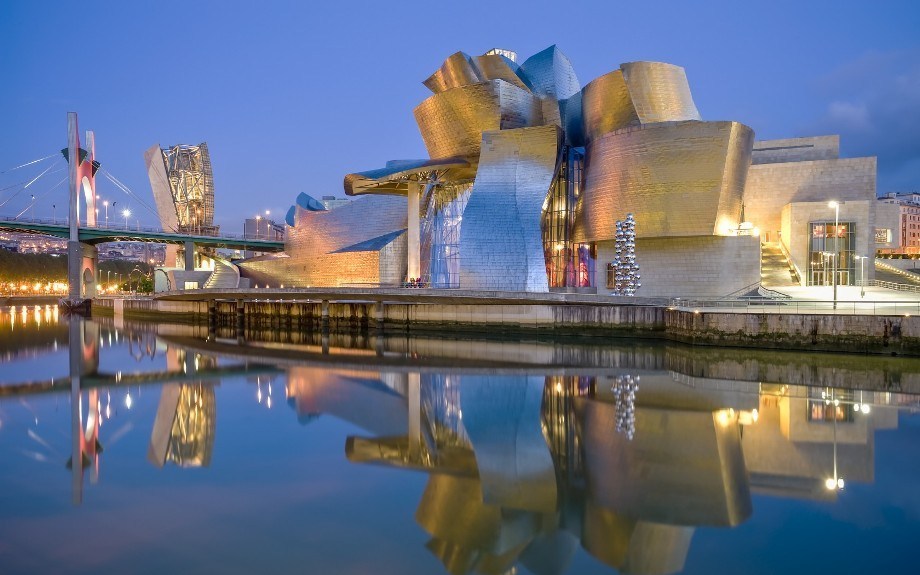
A number of buildings interconnected by the titanium coating comprise the Bilbaos Guggenheim Museum, built by Canadian-American architect Frank Gehry and opened in 1997.
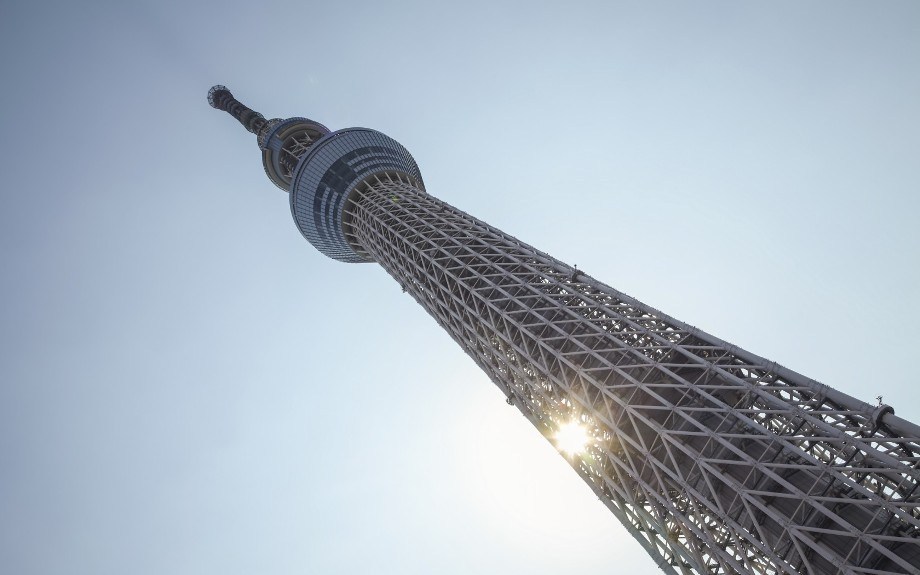
With a height of 634 meters, the Sky Tree in Tokyo is the tallest tower in the world and the second tallest structure after the Burj Khalifa skyscraper. The construction of the television tower was completed in 2012.
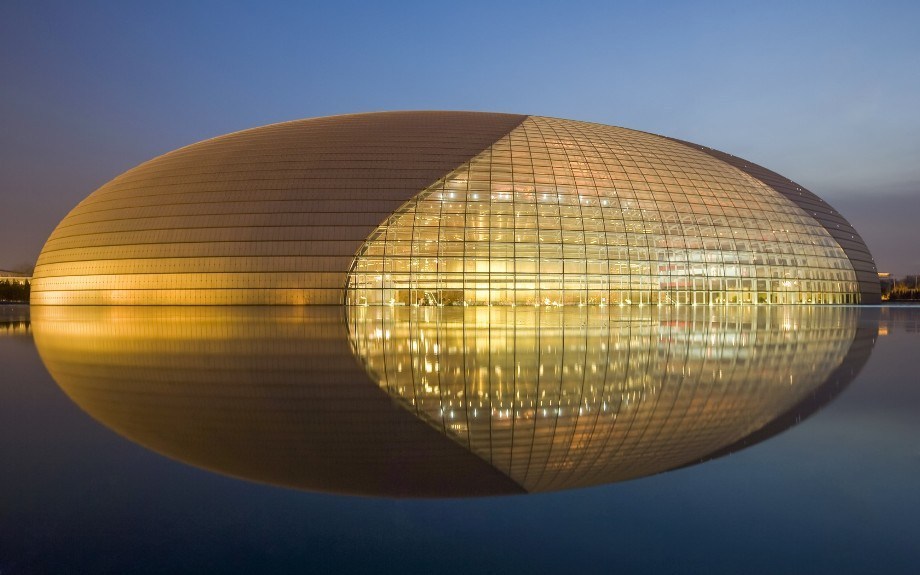
The giant egg is beautifully reflected in the mirror surface of the artificial lake that surrounds this structure.
Built for the 2008 Summer Olympics, the sparkling dome that looks like it is floating on a lake contains an opera house, concert hall
and theater, which can be reached through the corridor underwater.

Built in 72 AD, the Colosseum is still the largest amphitheater in the world.
The most famous Roman monument of the ancient world with eighty entrances can accommodate more than 50,000 spectators.
About 60,000 Jewish slaves built it for nine years, so that hundreds of thousands of people died in its arena during the gladiatorial
battles that took place here for almost four centuries.
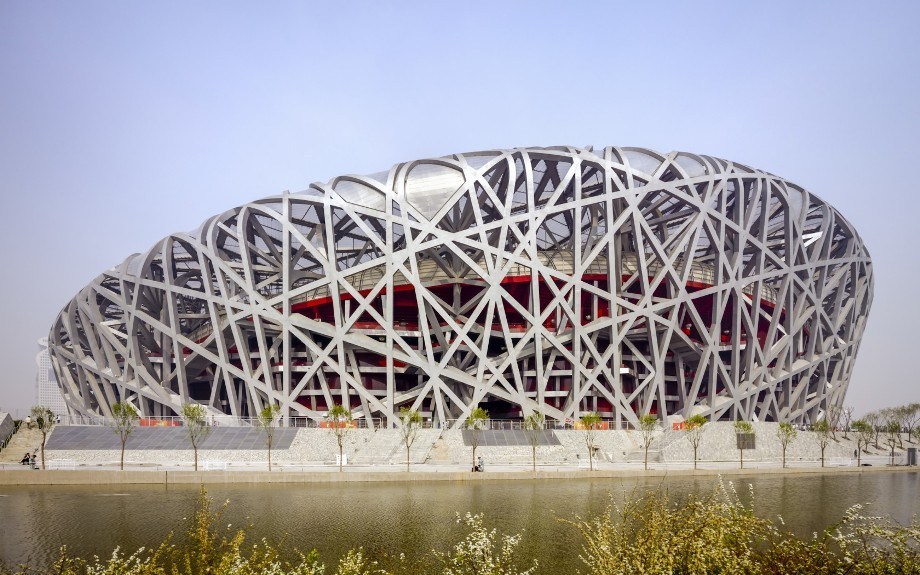
The famous Beijing National Stadium, nicknamed the “Bird's Nest” due to its complex lattice steel structure, was built from 36 km of
rolled steel, making it the largest structure in the world. 42,000 tons of metal were used to build the world's largest enclosed space,
where the opening and closing ceremonies of the 2008 Summer Olympics were held.
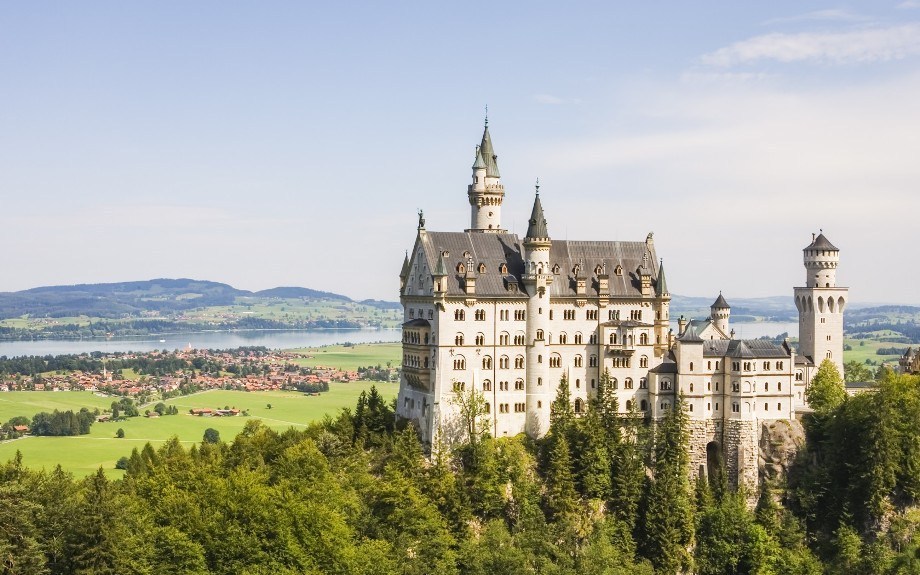
From the first and death only in 1886, Once built as the house of the Bavarian king Ludwig II in 1886, the castle has already seen
60 million tourists passing through its doors.
Neuschwanstein became an inspiration for Walt Disney, who created the famous sleeping beauty castle immortalized in its logo.
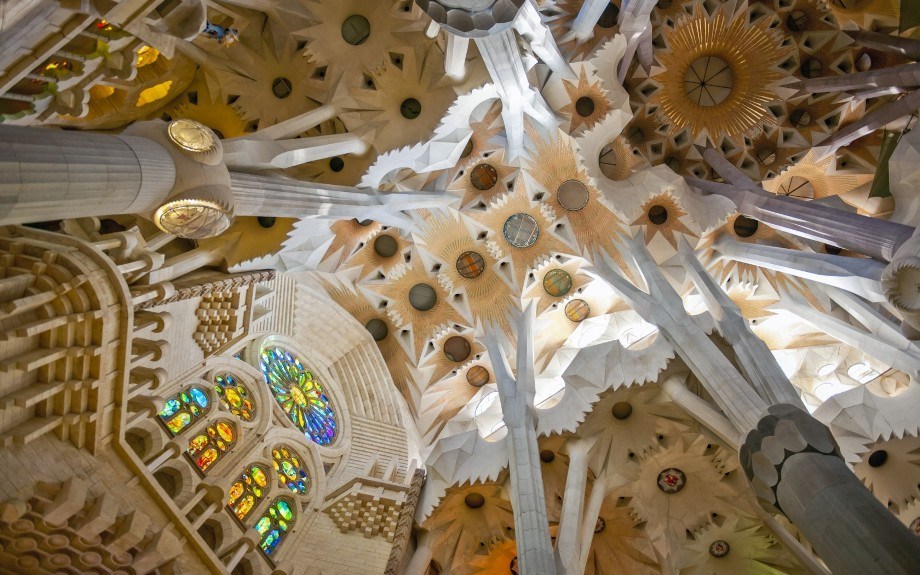
The unfinished masterpiece by Antonio Gaudi has been designed so that it will stand no higher than the “God the Creator”,
a sculpture on Mount Montjuic.
The central spire will have 170 m - one meter less than the height of the hill.
The construction of the church began in 1882, and the completion date is set for 2026. Only eight of the eighteen planned spiers
have been built to date.
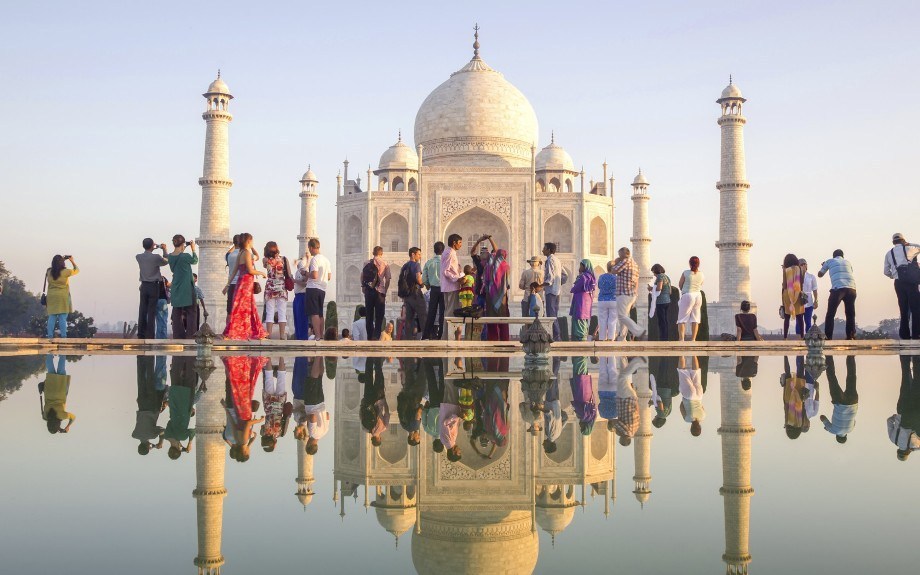
The most famous mausoleum in the world, the “crown of palaces” was built in 1653 for the wife of the emperor Shah Jahan.
One of the seven wonders of the world, the white-marble building, changes color throughout the day, from pink in the morning, milky white in the evening and gold in the moonlight.
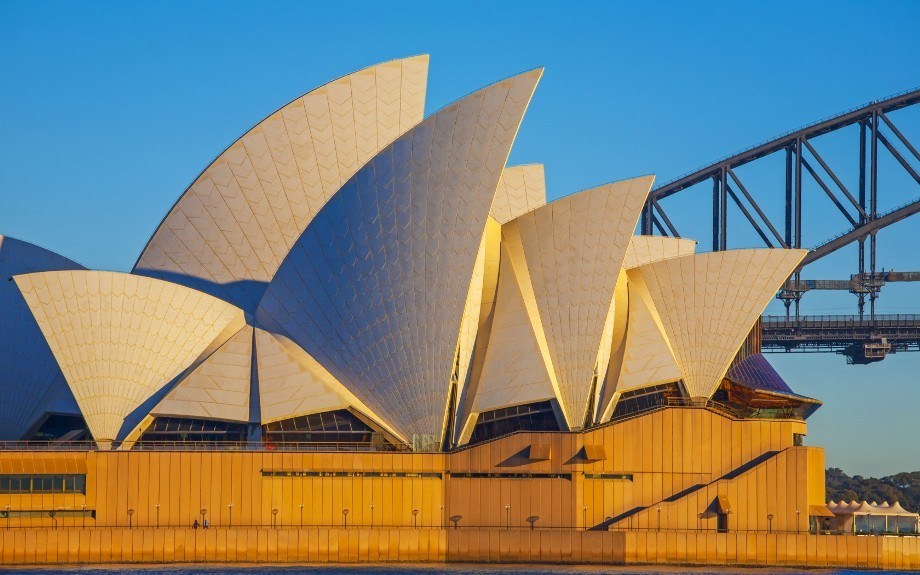
Designed by Danish architect Jorn Utzon, the Sydney Opera House is the most recognizable landmark and one of the most distinctive buildings of the twentieth century. The opera house was opened in 1973.
The “building sails” were built using three tower cranes made in France specifically for the Opera House.

Built for the Expo '58 exhibition, 102 meters high and with nine steel balls connected, Atomium has the shape of a cell of an iron
crystal enlarged 165 billion times.
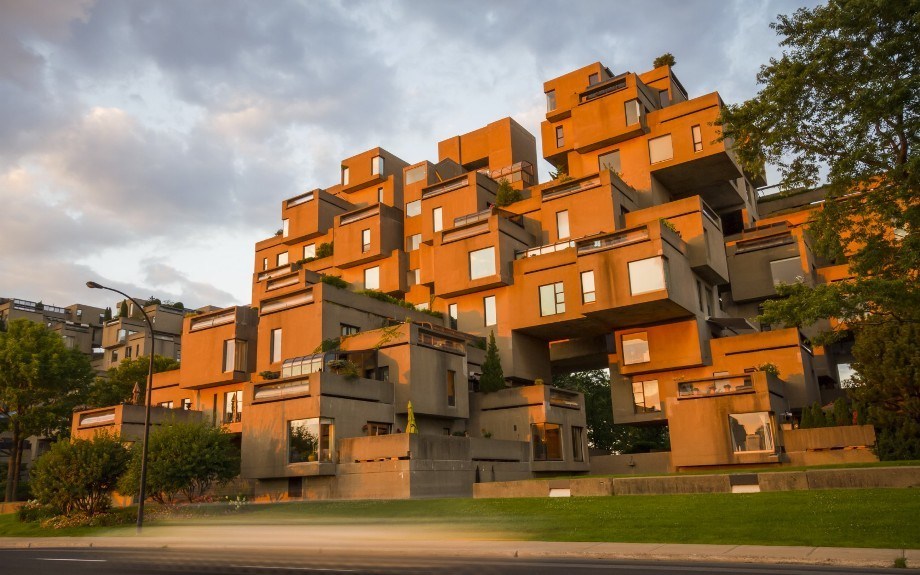
Habitat 67 was a revolutionary housing designed for the Expo 67 exhibition by Israeli-Canadian architect Moshe Safdi. However, it is still better to live in an individual house, which is proved by the accepted practice of
building individual houses in Canada, America, and already here, here in Russia.
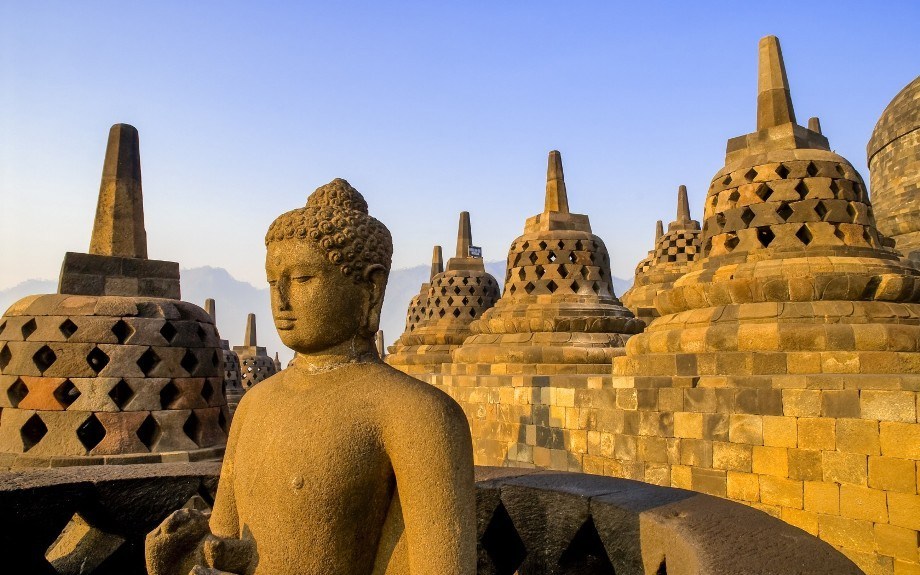
The largest Buddhist temple in the world was built over a thousand years ago in the Kedu Valley, Java.
The complex structure consists of five square terraces and arupadhatu (shapeless world), represented by three round platforms and
stupas.
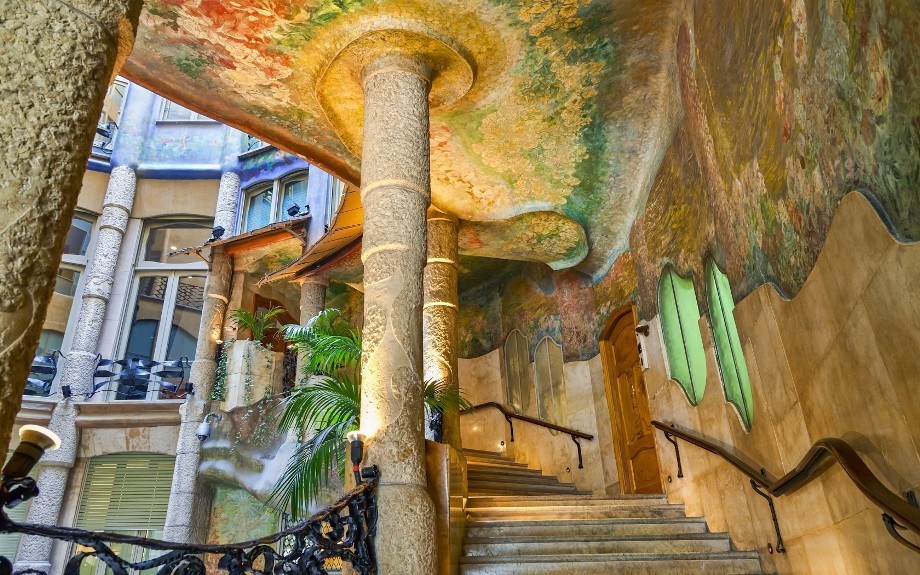
The apartment building, like no other, is known for its wavy stone exterior structure, scrolling around the building.
Gaudi's innovative design for the first time in the world included underground parking and almost an interior in which everything
from walls to beds has curved shapes that give the building a unique, mesmerizing look with its smoothness.
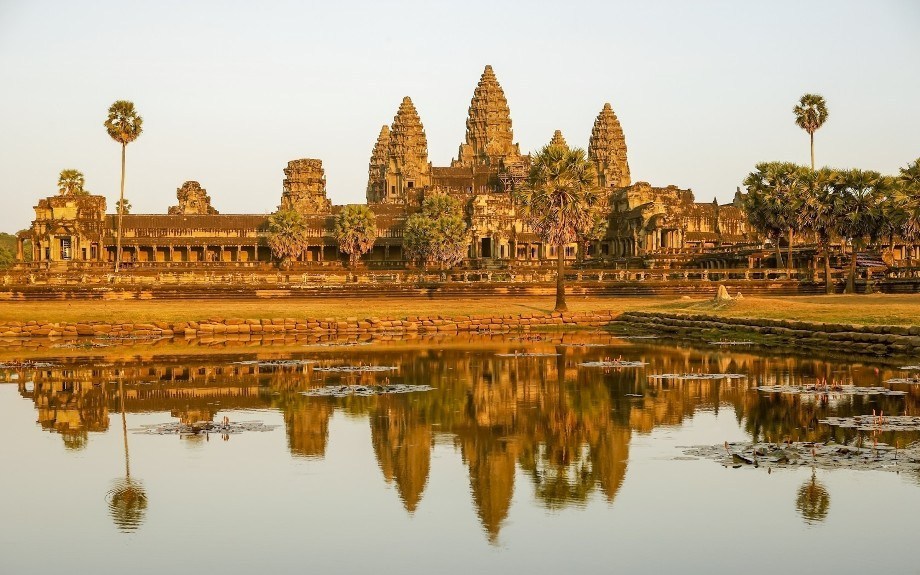
Built in the early 12th century by Khmer King Suryavarman II, Angkor Wat is the largest religious monument in the world.

88 floors of the Petronas towers, made in the form of the letter “M”, symbolize the initial letter of the name of the country - Malaysia.
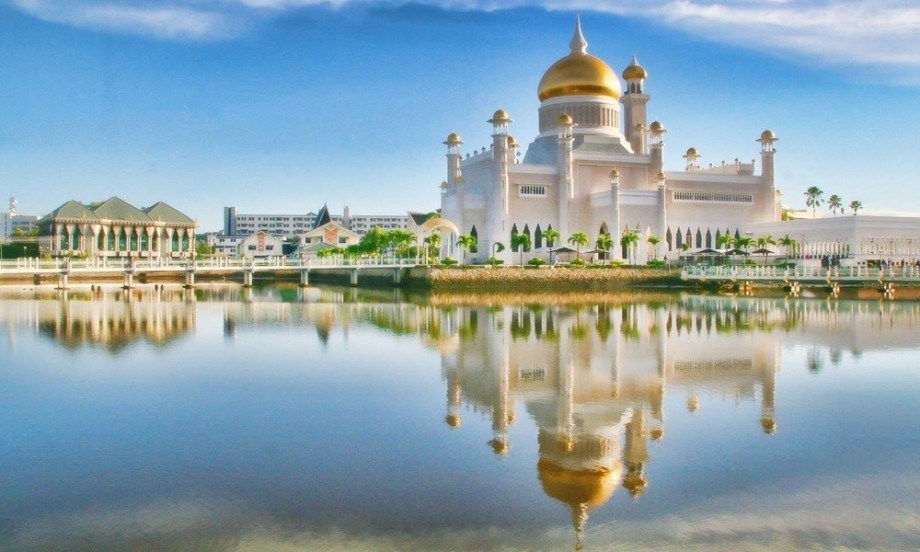
Looking in the Guinness Book of Records, we find that the largest palace in the world, Istan Nurul, the “Palace of Light and Faith”,
is the official residence of the Sultan of Brunei, Hassanal Bolkiah.
The palace has 1788 rooms, a banquet hall with a capacity of 5,000 people, its own mosque for 1,500 people, a garage for 110 cars,
5 swimming pools.
'잡학사전' 카테고리의 다른 글
| 목격자가 많고 모호한 UFO 목격담 10 (0) | 2020.07.08 |
|---|---|
| 군함과 여객선으로 만든 떠있는 감옥 (0) | 2020.07.05 |
| 세계에서 가장 큰 헬리콥터 Mi-12 (0) | 2020.06.30 |
| 지구상 가장 건조한 사막에서의 놀라운 발견 (0) | 2020.06.30 |
| 인류 역사상 가장 치명적인 전염병 TOP 5 (0) | 2020.06.30 |


